

MASCULINITY +
GENDER ROLES



A modern-day mismatch
Traditional views of masculinity no longer fit the broad spectrum of what it means to be a man in today’s society. It’s a modern-day mismatch. A square peg, round hole situation.
It’s down to the outdated, niche, societal definition of masculinity and gender roles. So, we’re exploring the context behind these traditional ideals and why this conversation is being challenged now more than ever.
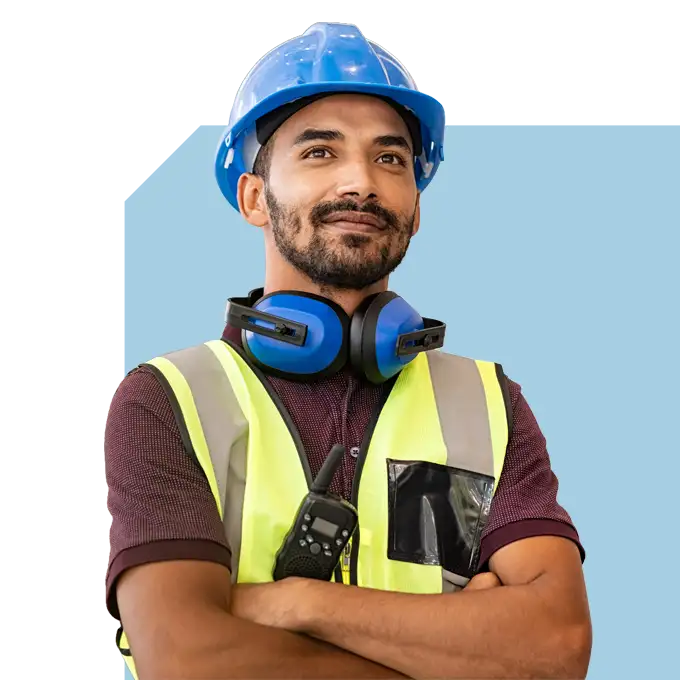

Since the 1960’s the gender divide has been defined by equity; access to leadership, income, domestic and emotional labour.
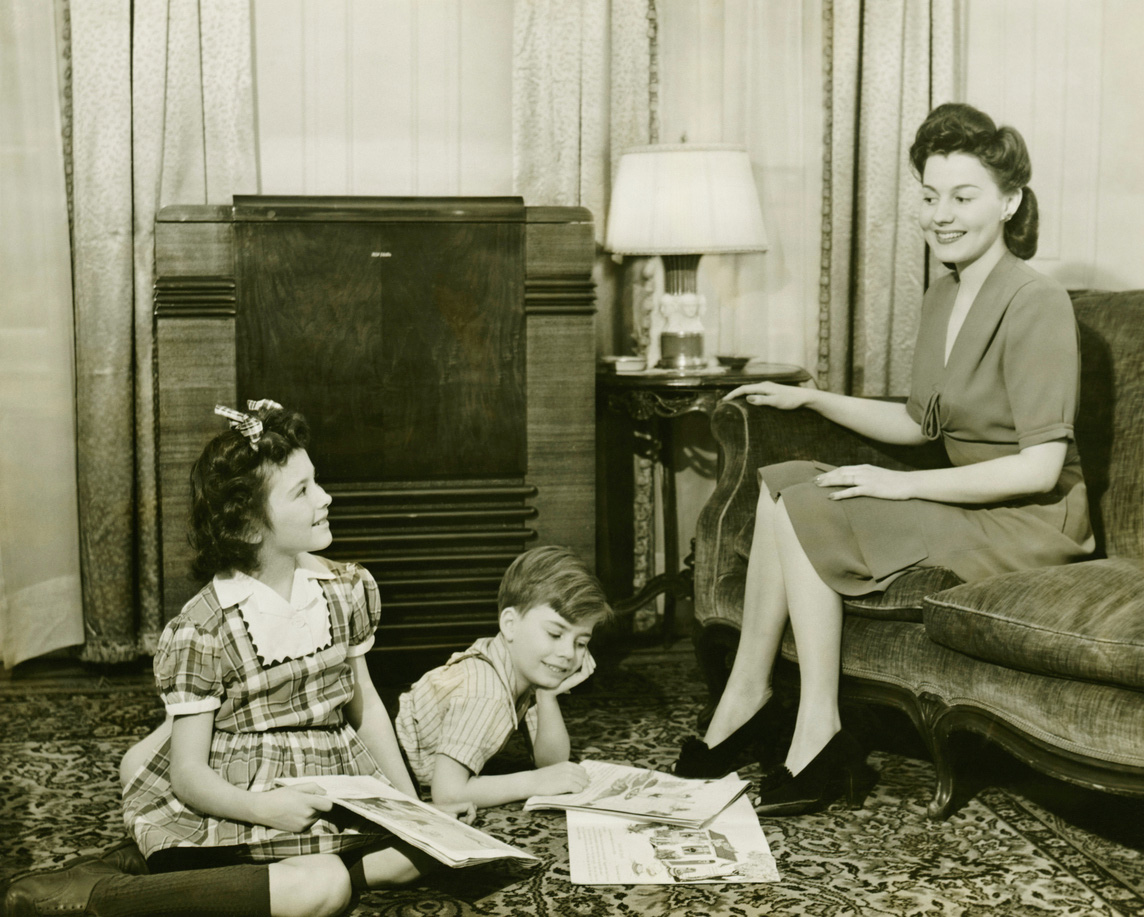
Over the years, as labour laws, divorce rights, and workplace protections came into force, it seemed that we started to progress away from this hyper-narrow view, creating a sense that old-fashioned gender roles were fading.
But, was this a surface-level shift? It seems so…
In 1989, 31% believed that “a job is all right, but what most women really want is a home and children”.
Fast forward to now and Ipsos global data shows 37% agree the main role of a women in society is to be good mothers and wives.* Undeniably not a huge shift.
Attitudes to Women’s role
Comparing 1939 to the present
1939
“A job is all right, but what most women really want is a home and children”.
- % Agree 31%
2025

- % Agree 37%
1. Source: Ipsos Global Trends. Base: 33,083 people across 43 countries polled between May 3 – June 6, 2025
As these essentialist views persist, men also now face new precarities: the rise of incel influencers, increased online radicalisation, harmful trends like ‘looksmaxing’, and even economic instability as typically male-dominated industries, like manufacturing and construction, have shrunk.
Clearly the needle has not shifted when it comes to societal views of gender roles, and men are facing greater pressures and backlash than ever before. Double whammy.
Gen Z males’ attitudes to gender equality
Have we gone too far or expecting too much?

- 57%

- 46%
2. Base: Total study sample 23,765 online adults aged 18-74 in Canada, Republic of Ireland, Malaysia, New Zealand, South Africa, Turkey and the United States, 20-74 in Thailand, 21-74 in Indonesia and Singapore, and 16-74 in all other countries, 20 December 2024-3 January 2025
3. Base: 19.759 online adults aged 18-74 in 24 countries, 20 December 2024-3 January 2025
So, there’s much to do to renegotiate masculinity and heal societal fractures, and it requires looking beyond individual attitudes to get to the cultural systems that sit beneath them. After all, masculinity isn’t just personal, it’s cultural.

Colin Strong
Behavioural
Science Lead,
Ipsos
colin.strong@ipsos.com
+44 (0)20 3059 5000
Colin works with clients to unpack the big challenges we are facing today – with a focus on developing solutions to drive change. He is also a Professor at Nottingham University Business School.
Lucy Neiland
Business
Anthropologist,
Ipsos
lucy.neiland@ipsos.com
+44 (0)20 3059 5000
Lucy works in the Ipsos Ethnography Centre of Excellence where she brings an anthropological lens to societal and client challenges to identify the way cultural mechanisms influence mindsets and behaviours.
To understand the impact of these issues on your business or to book an insights session for your team.
There’s more about Modern Masculinities to discover
MODERN
MASCULINITIES
Ipsos in the UK
Contact us
Privacy Policy
Cookie Policy

MODERN
MASCULINITIES
Ipsos in the UK
Contact us
Privacy Policy
Cookie Policy